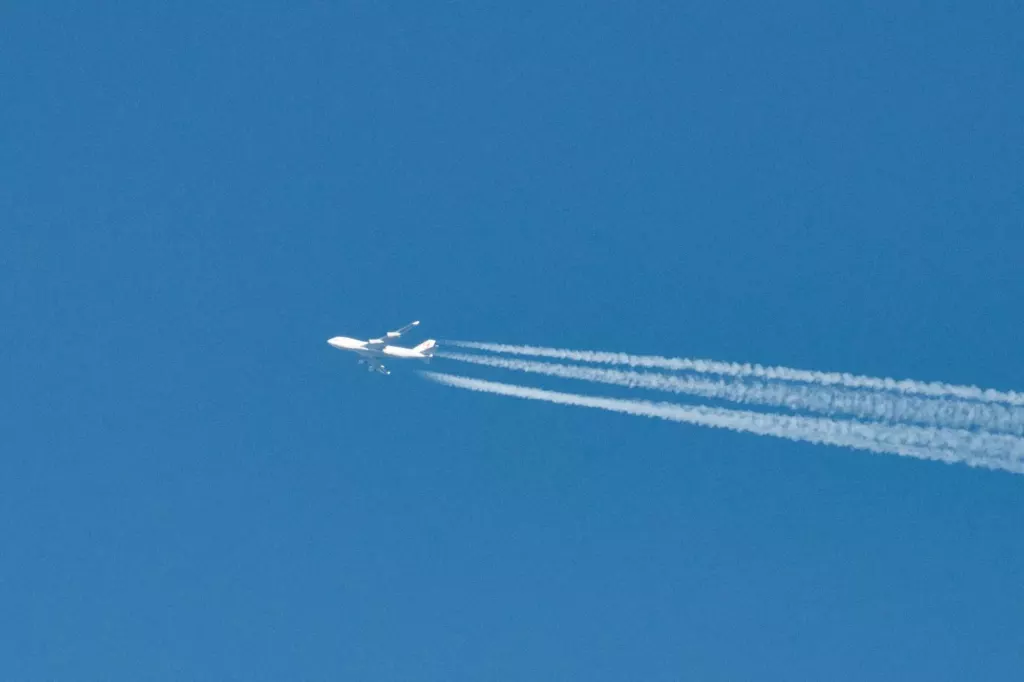
The surge in oil, with Brent above $100 a barrel, is weighing on the cost of flights. Between airlines’ commercial measures, financial risks and practical tips, what can passengers and carriers do?
The war in the Middle East has reignited the rise in energy prices: Brent crude has passed the $100 mark, a level not seen since 2022. This rise in oil prices is quickly affecting air transport: fuel accounts for between 20% and 30% of airlines’ operating costs, reminds the International Air Transport Association (IATA).
A shock that hits carriers’ cash flow
The increase in jet fuel particularly weakens low-margin players. Some carriers have already reported losses and are seeking emergency financing: AirAsia lost €176 million in the second quarter of 2026, a period marked by a 66% increase in the price of jet fuel. Meanwhile, airBaltic filed for protection under U.S. Chapter 11 to restructure, while unlocking €140 million from a larger €350 million financing package.
Faced with these tensions, carriers are choosing varied responses: some apply a fuel surcharge (Air France has mentioned about a €50 supplement on round trips in economy), others reduce the frequency of certain routes to limit financial exposure (a strategy adopted by Ryanair), or seek fresh capital.
A risk of market polarization
The aviation finance sector is also worried: rising borrowing costs and bond yields are weighing on aircraft lessors, who finance a large share of global fleets. Several executives warn of a rapid deterioration of the situation if oil prices and interest rates remain high.
“I feel the market is starting to turn. I think the winter will be colder (financially) than people expect.”
Consequences for travelers
For customers, the combination of expensive fuel and sometimes reduced capacity translates into more expensive tickets and less flexibility: higher fares, fewer seats available on some routes, and increased risks of diversions or cancellations for itineraries transiting the Middle East.
Here are the habits experts recommend to limit the bill:
- Book early: buy your ticket as soon as possible before further fare increases.
- Compare and automate: use comparison tools (Google Flights, Kayak, Skyscanner) and set up price alerts by destination, airline or time slot.
- Take out travel insurance: in the current context, insurance can cover more frequent delays, cancellations or reroutings.
- Stay flexible: accepting odd hours or alternative connections can significantly reduce the cost.
Carriers and financial markets’ perspective
Carriers are looking to preserve cash through several levers: passing part of the extra cost onto ticket prices, adjusting capacity, or raising funds on the markets. Lessors and aircraft financiers are closely watching the balance between demand and financing costs: if interest rates stay high and oil remains expensive, the business models of some mid-life aircraft could come under pressure.
On the political front, some authorities have already intervened locally: Malaysia asked Malaysia Airlines and Batik Air to be ready to absorb part of AirAsia’s domestic network if it failed to refinance, illustrating that targeted state support can occur in case of systemic risk.
Key takeaways
A normalization of jet fuel supplies and prices does not look immediate: according to IATA management, a durable return to lower tariffs could take “several months.” Meanwhile, users have levers to limit the impact: book quickly, compare systematically, set up alerts and take out insurance. For carriers, the period is likely to see more operational adjustments, temporary surcharges and financial operations to preserve flight continuity.
The situation remains volatile: customers, airlines and authorities will have to adapt to the evolution of oil prices and global financial conditions in the coming months.
Sources:
- Que faire face à l’explosion du prix des billets d’avion due à la guerre au Moyen-Orient?
- Crise du carburant : ces deux compagnies aériennes pourraient faire faillite à cause du prix du kérosène
- Le financement aéronautique s’inquiète alors que le conflit avec l’Iran pèse sur le carburant et les coûts d’emprunt
- Malgré des vols pleins, le carburant cher continue de peser sur les compagnies aériennes